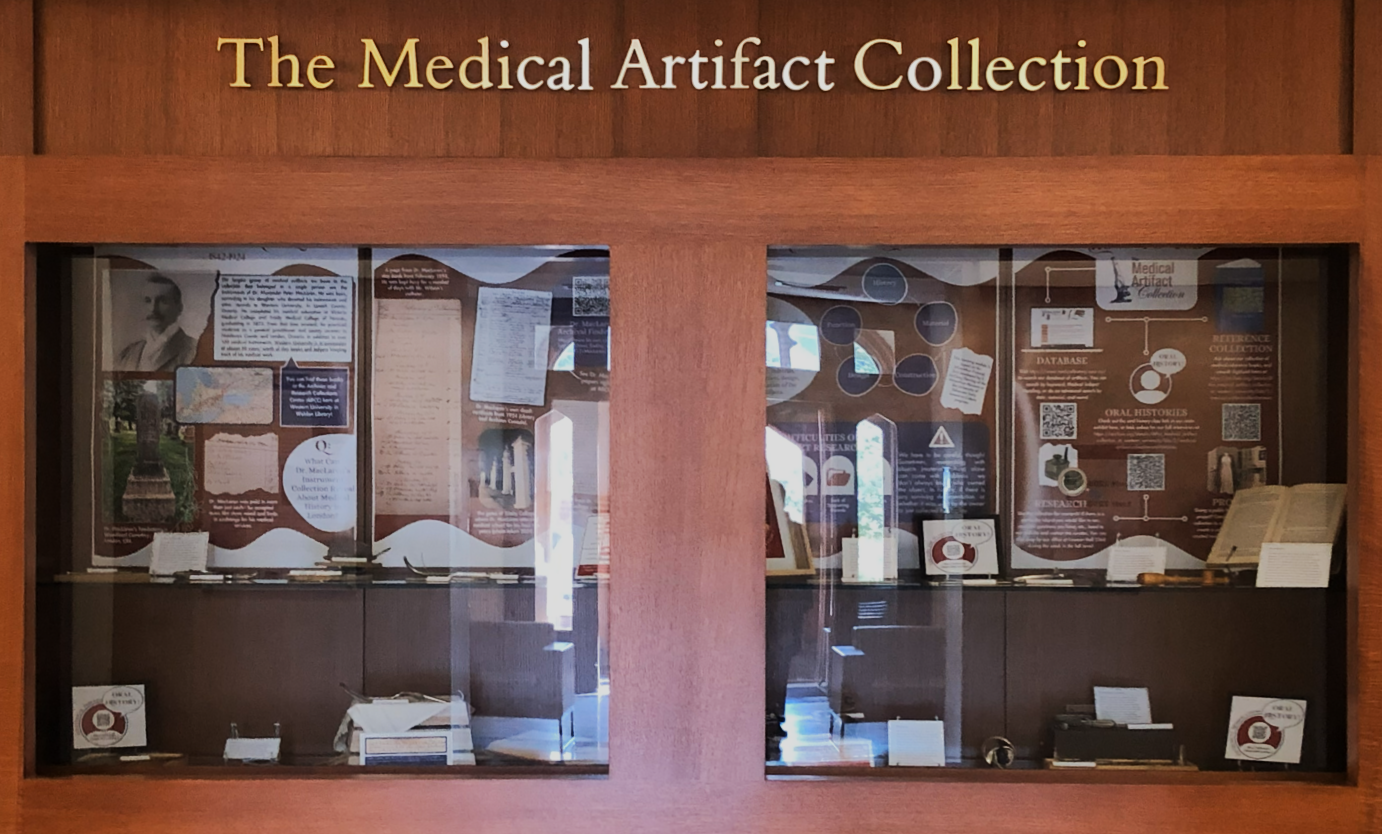
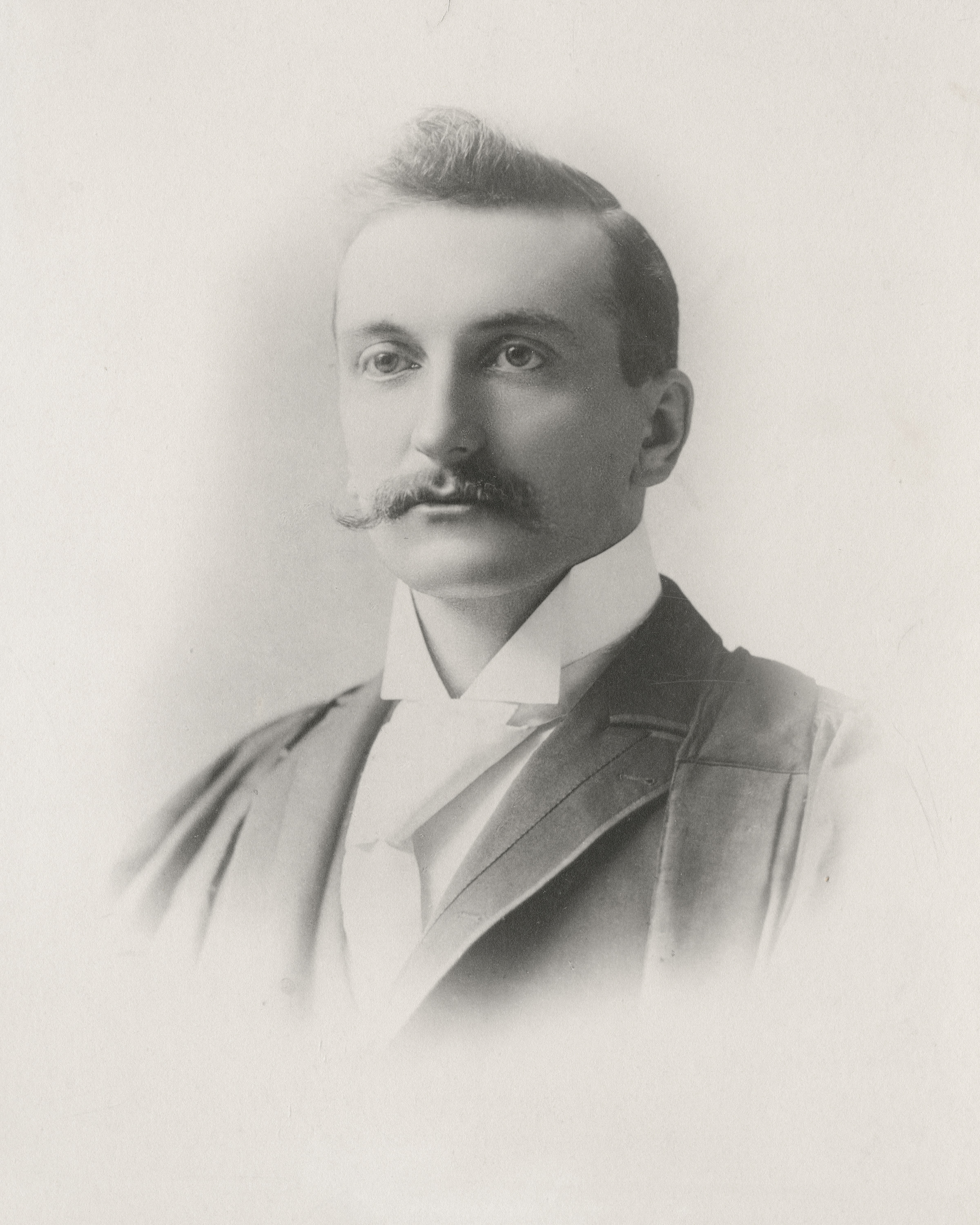
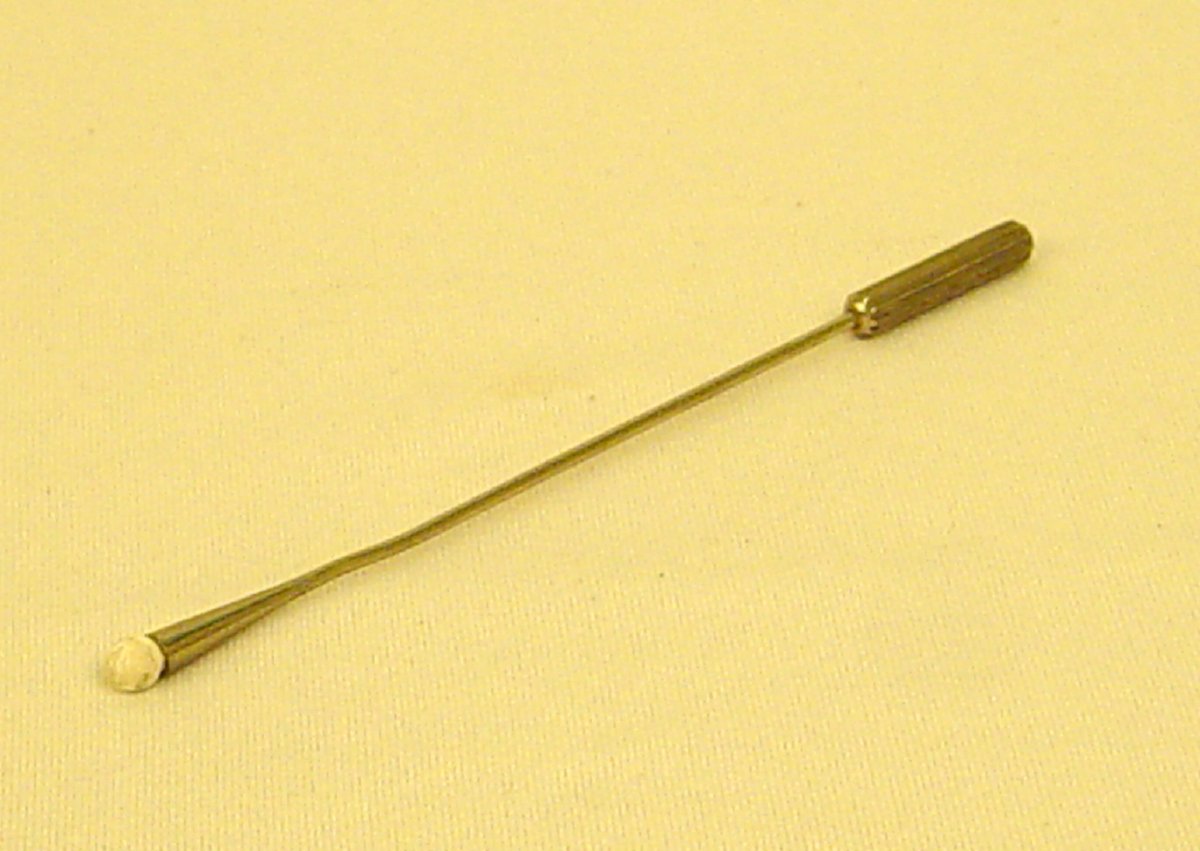
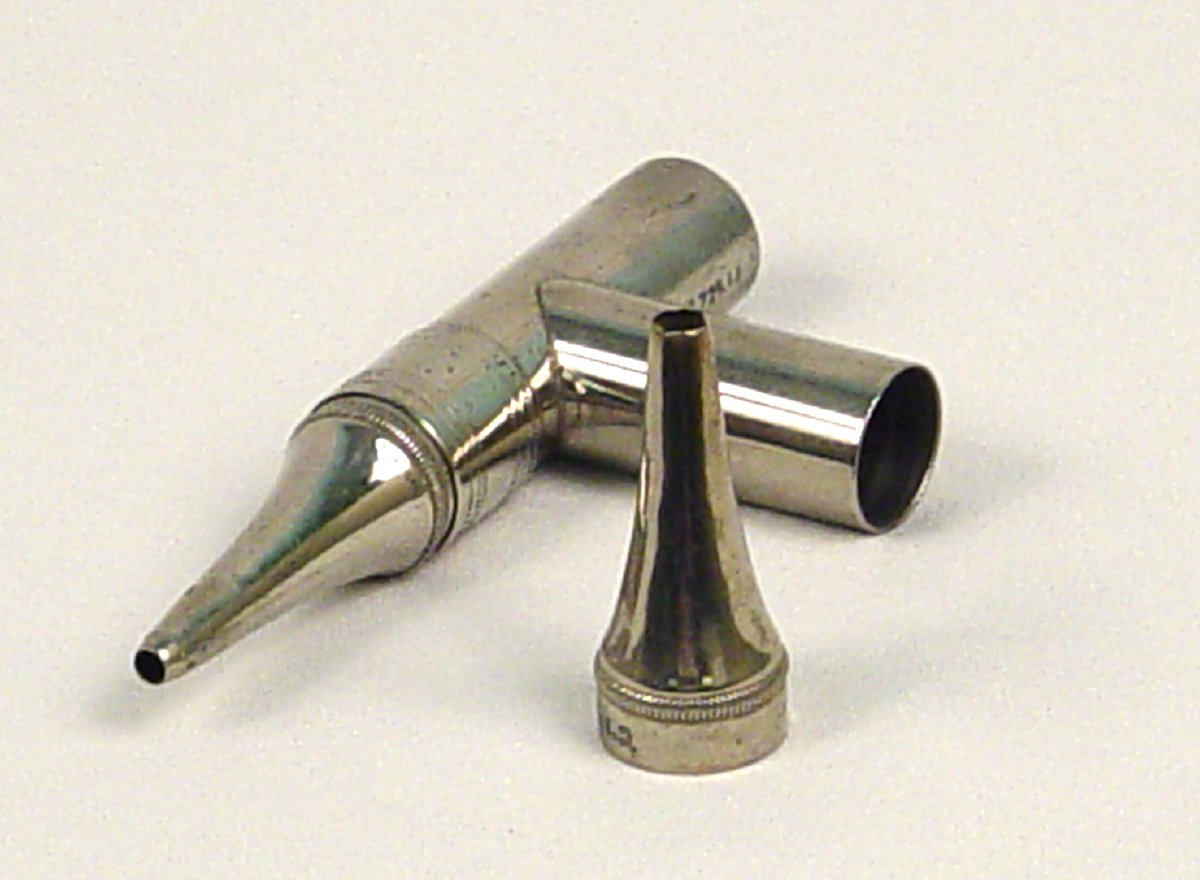
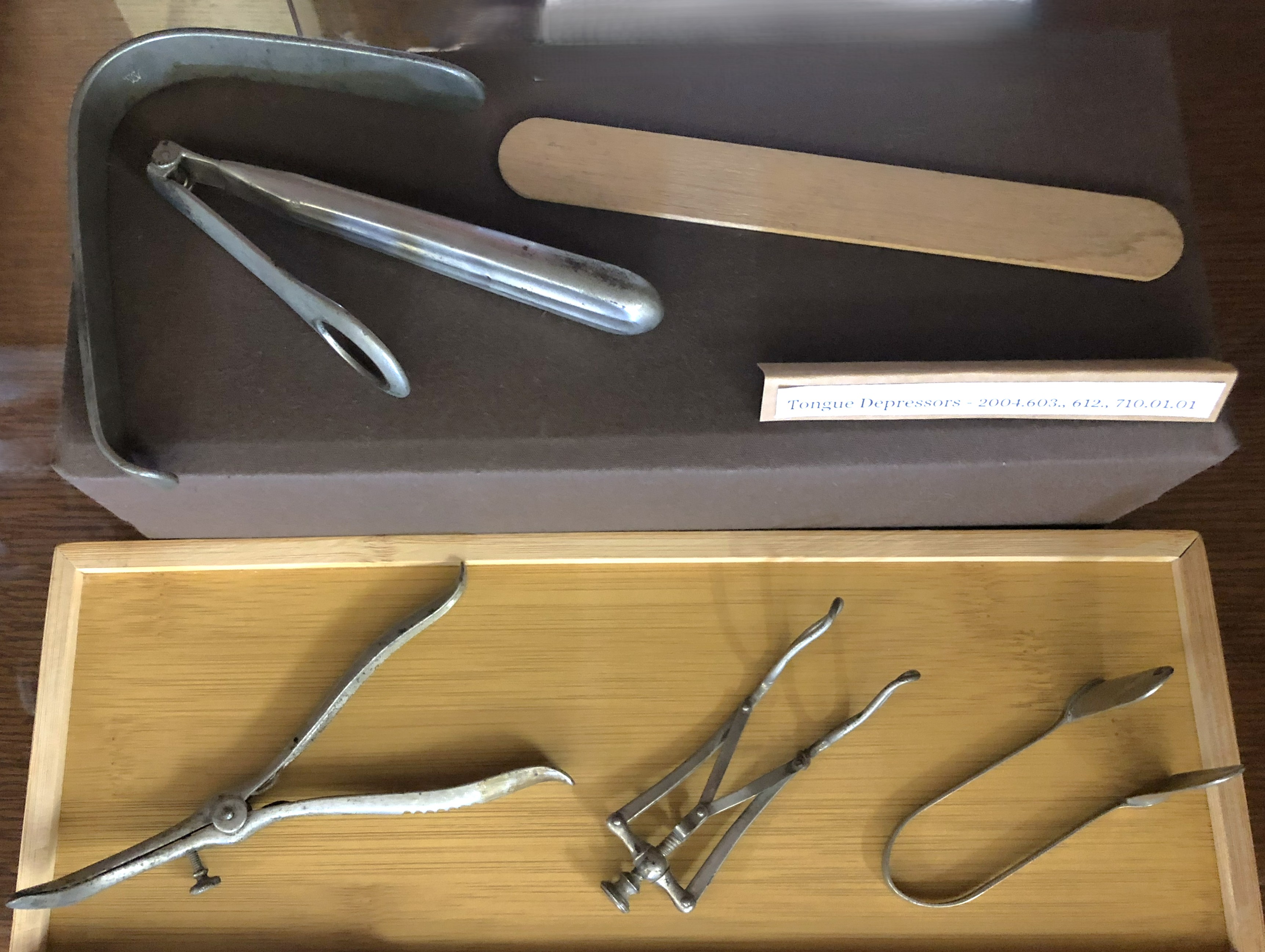
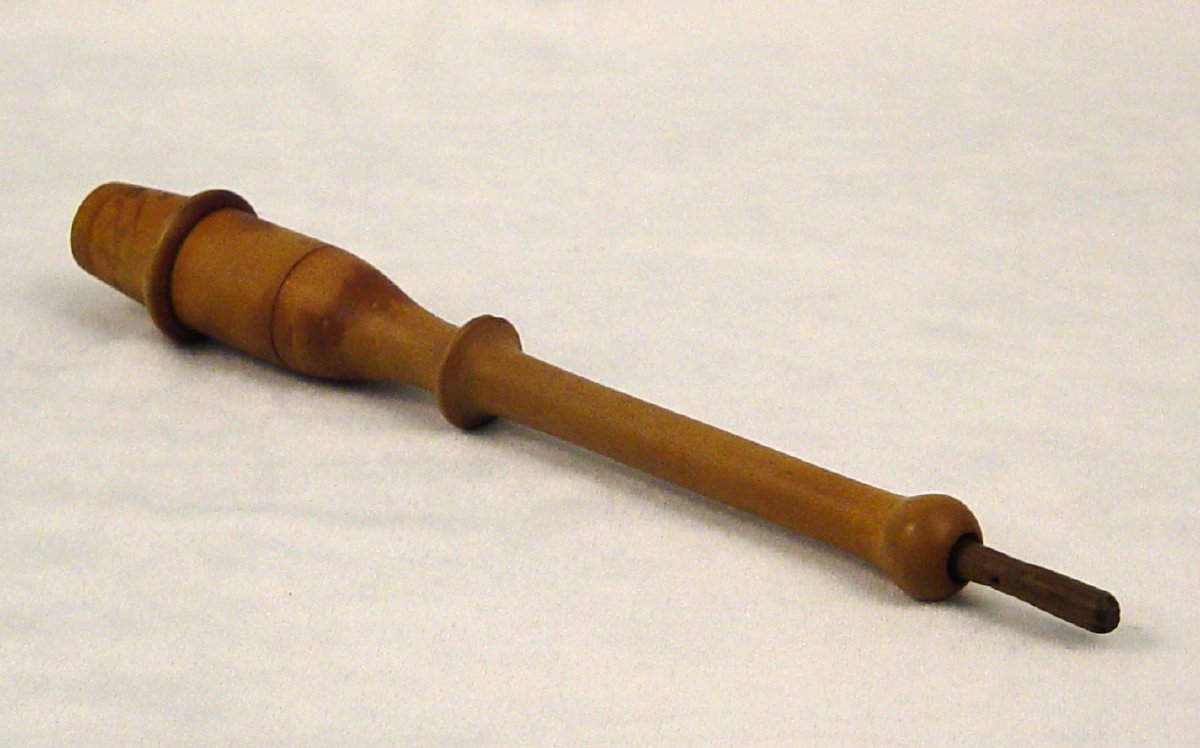
A Look at the Material Culture of Medicine Through Oral Histories and the Instruments of Dr. Alexander MacLaren (1842-1924) Installed 2024, Curated by Shaelyn Ryan The largest group of medical artifacts we have in the collection that belonged to a single person are the instruments of Dr. Alexander Peter MacLaren. He was born, according to his daughter who donated his instruments and other records to Western University, in Lanark County, Ontario. He completed his medical education at Victoria Medical College and Trinity Medical College of Toronto, graduating in 1873. From that time onward, he practiced medicine as a general practitioner and county coroner in Middlesex County and London, Ontario. In addition to over 160 medical instruments, Western University is in possession of almost 50 years' worth of day books and ledgers keeping track of his medical work. You can find these books at the Archives and Research Collections Centre (ARCC) here at Western University in Weldon Library! https://www.lib.uwo.ca/files/archives/archives_finding_aids/AFC-413---MacLaren.pdf In order to find out what this collection can reveal about the history of medicine, we need to interrogate the artifacts. We do this by asking questions about the history, material, construction, design, and function of the artifacts. We have to be careful, though! Sometimes, researching with objects (material culture) alone can come with problems – we don’t always know who owned the object, its history, if there is any surviving documentation, or whether it was used by the owner or just collected for display. The average day in the life of a London and Middlesex County physician in the late nineteenth century, like Dr. MacLaren, was a mixed bag. As a general practitioner, Dr. MacLaren spent his days treating all kinds of ailments we wouldn’t always expect of a general or family physician today. In addition to administering general treatment, he performed the functions of a dentist, a surgeon, an obstetrician, a urologist, and more. He could do amputations, and even had tools -- like the probe displayed here -- for removing bullets! Instruments like these nasal, ear, and rectal specula, along with this mouth gag and laryngeal mirror, are linked by the fact that they are all tools made to allow the physician to make observations about the patient's body. The nineteenth century saw the rise of the idea that objective medical observation is all that is needed to find out what is wrong with patients, and instruments like these gave doctors direct access to the body that patients themselves did not have. This privileged the physician’s observations over the patient’s experience. Dr. MacLaren was trained in obstetrical care and procedures, and delivered babies often! He was advised in medical school to never use obstetrical forceps, like the half-set displayed here, unless absolutely necessary, as they posed too great a danger to the life of the mother. Obstetrical, or midwifery forceps “Safety of mothers where head of child is making very slow but sure progress. 1 - What do you notice about the majority of Dr. MacLaren’s instruments? Think about the material -- they are almost all made of metal. This indicates to us that Dr. MacLaren adopted germ theory, which would have still been fairly new at the time he was trained. Metal instruments with fewer grooves and no added pieces like wooden handles were more easily sterilized and safer for the patient. Medical instruments are constantly evolving, and that is often due to the tacit knowledge learned by physicians as they work with patients. Take a look at the tongue depressors and nasal specula on display here -- there are three different types of specula and three types of tongue depressor, all used by the same physician, Dr. MacLaren. While all three perform the same function, the design has been modified over the years to suit the needs of different doctors and patients. Hear Dr. Vivian McAlister (Surgeon and Professor Emeritus at Western University) and Dr. Bill Wall (a pioneering transplant surgeon who establised Canada's first liver transplant program at London Health Sciences Centre) talk about modifying medical instruments. The doctor-patient relationship in Dr. MacLaren’s time, as now, was mediated through medical instruments. The ways physicians interact with patients changes according to the instruments used. Some instruments promote or prevent physical touch, while others require the patient’s participation or rely solely on the physician’s observations. All of these elements change the patient’s relationship with their doctor. This little instrument, called a lebenswecker (meaning “life awakener” in German) or Baunscheidt’s scarificator (2004.626.01.01), sticks out from the rest of Dr. MacLaren’s collection. It is a homeopathic instrument, and functioned according to the philosophy of “like cures like.” The needles would be dipped in an irritant oil and applied to an already irritated area of the patient’s body in the hopes of speeding up the natural healing process. This instrument was only popular for a short time in the late nineteenth century, and shows us that Dr. MacLaren was open to alternative forms of medicine and may sometimes have followed medical trends that did not last long. Tools of the Trade:
A Day in the Life
Diagnosis

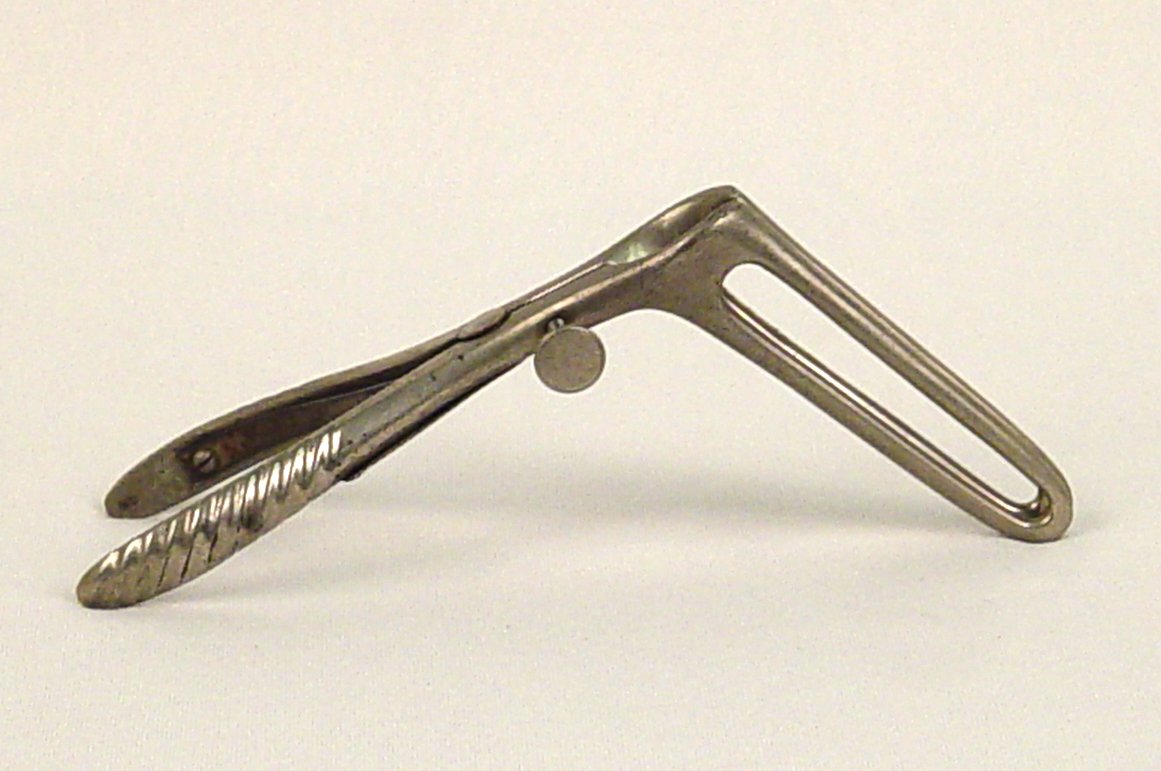
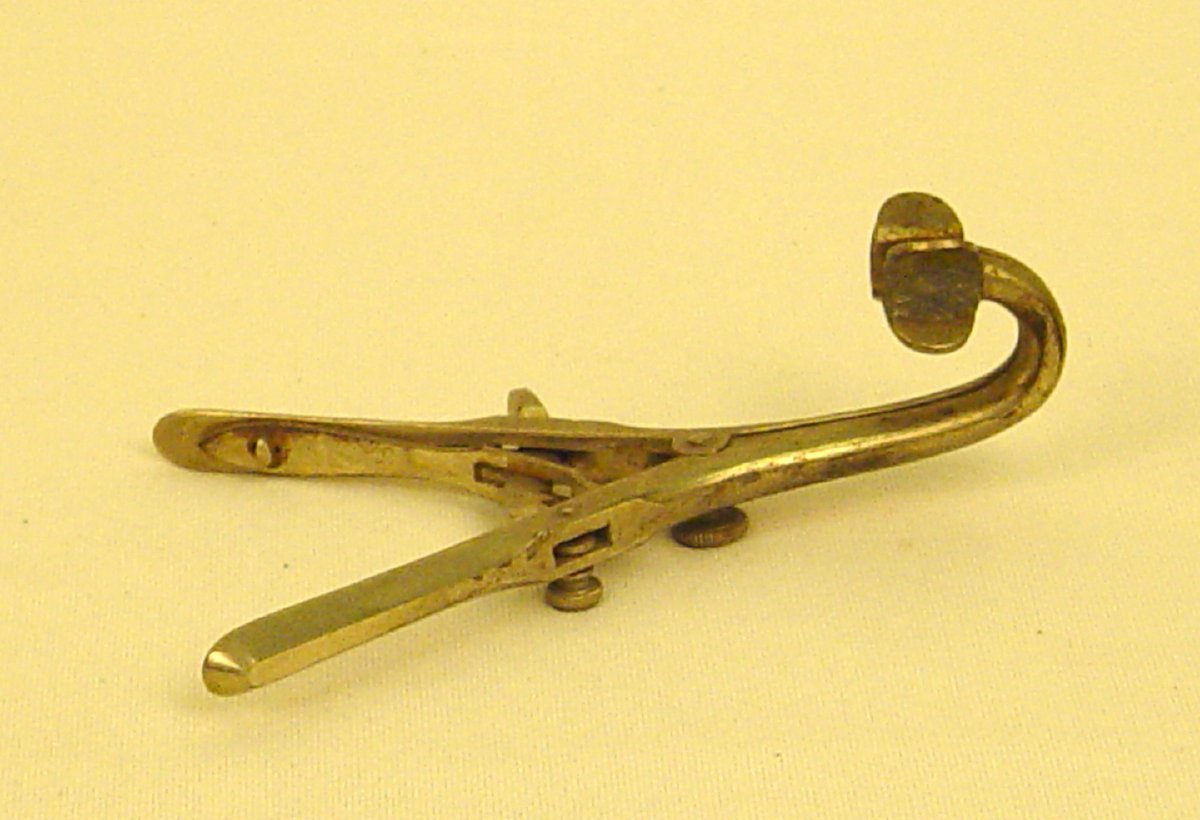
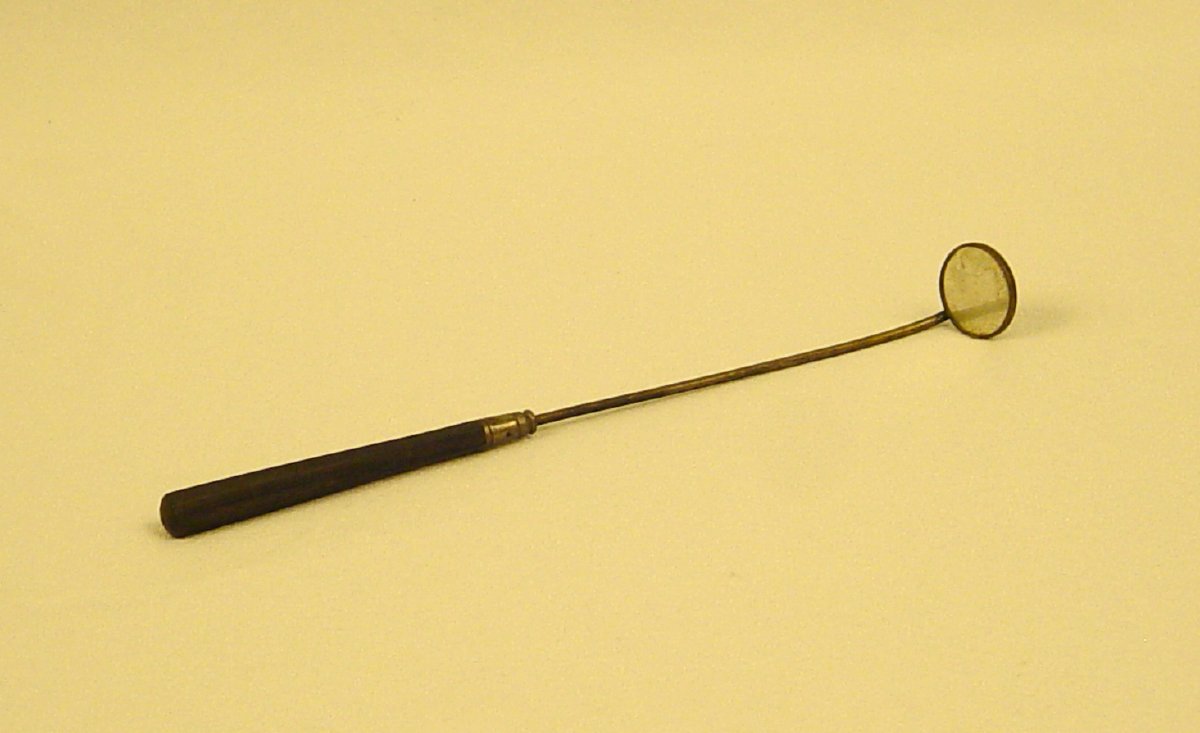
Obstetrics
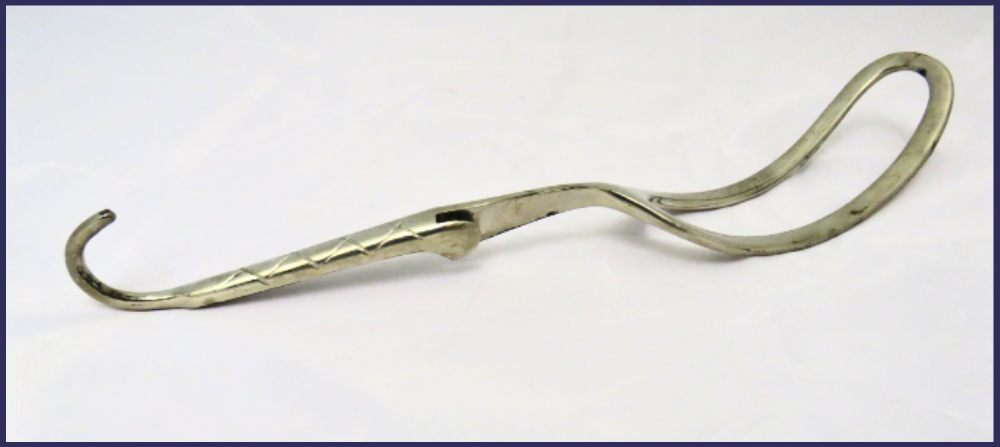
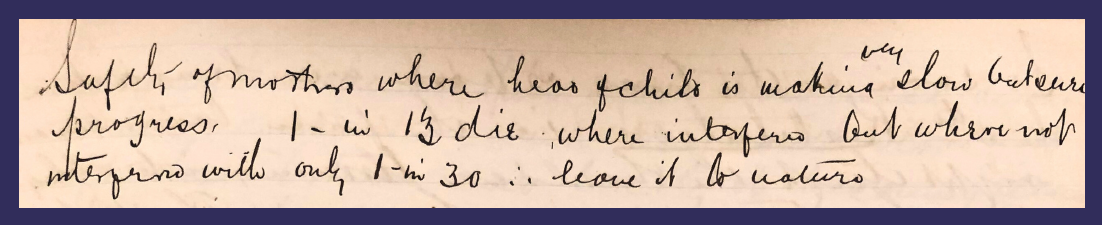
in 13 die where interfered but where not interfered only 1 - in 30, therefore leave
it to nature.” - MacLaren’s Trinity College Notebook, 1873-74Germ Theory
Instruments Evolving
Doctor-Patient Relationships
Homeopathy

You are using a browser that is not standards-compliant. The information on this Web site will be accessible to you, but for a list of Web browsers that comply with the World Wide Web Consortium standards, please visit our Web standards page.
Medical Artifact Collection

Lawson Hall
Western University, London, Ontario, Canada, N6A 5B7
Privacy | Web Standards | Terms of Use | Accessibility
 and updated on